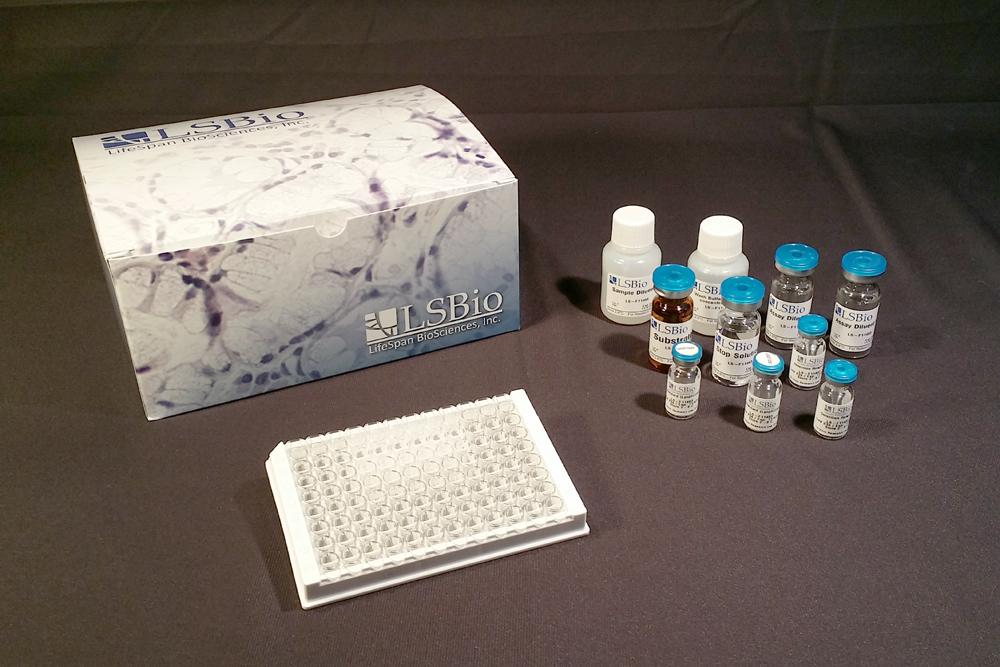
- Product name: Prostaglandin E2 ELISA Kit
- Detection method: Colorimetric
- Example type: Cell culture supernatant, saliva, urine, serum, whole bloodiest type
- Assay Type: Competitive
- Sensitivity: 13.4 pg / ml
- Distance: 39.1 pg / ml – 2500 pg / ml
- Test time: 3 h 00 min
- Trial duration: Standard multi-step test
- Species reactivity: Reacts with Independent species
Product description
The PGE2 (Prostaglandin E2) ELISA Kit is a competitive ELISA designed for the precise quantitative measurement of Prostaglandin E2 in serum, saliva, urine, and tissue culture media, and other biological fluids. Abcam is committed to high ethical manufacturing quality standards and will stop manufacturing this product by June 30, 2021, because it contains antibodies generated by the ascites method. We apologize for any inconvenience this may cause.
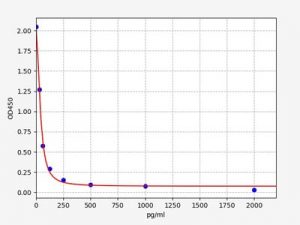
A mouse IgG antibody has been precoated in 96-well plates. Standards or test samples are added to the wells, along with alkaline phosphatase (AP) conjugated prostaglandin E2 antibody. After incubation, excess reagents are washed off and pNpp substrate is added and catalyzed by AP to produce a yellow color. The intensity of the yellow staining is inversely proportional to the amount of prostaglandin E2 captured on the plate.
This kit is not suitable for mouse serum, as samples containing mouse IgG may interfere with the assay. The tissue/cell lysate has not been validated internally, so we do not have specific protocols for them; however, several users have found satisfactory results with these types of samples.
Notes
Prostaglandin E2 (PGE2) is formed in a variety of cells from PGH2, which in turn is synthesized from arachidonic acid by the enzyme prostaglandin synthetase. PGE2 has been shown to have a number of biological actions, including vasodilation, both anti-inflammatory and pro-inflammatory action, modulation of sleep/wake cycles, and facilitation of human immunodeficiency virus replication. Raises cAMP levels stimulates bone resorption and have thermoregulatory effects. It has been shown to be a regulator of sodium excretion and renal hemodynamics.
Relevance
Prostaglandin E2 receptor (PGE2). The activity of this receptor is mediated by G (s) proteins that stimulate adenylate cyclase. The subsequent increase in intracellular cAMP is responsible for the relaxing effect of this receptor on smooth muscle.
Cell location
Cellular membrane